Showing posts with label plants. Show all posts

Thursday, October 30, 2008

Radical Botany


RADICAL BOTANY

These are great posts from Portland Indymedia that I wanted to share because I think it's incredibly important to be getting back to nature. We not only need to be prepared for what's ahead (major food shortages?), we need to be reconnecting with our inner beings. Our lives are so fast paced and we live and breathe in boxes. We are so disconnected from ourselves and nature. Here in the Pacific Northwest, we are blessed with healing and nutritional plants that a lot of our ancesters used to heal themselves and for nutrition. I will update this blog as they show up on Indymedia.

Understanding our place in the Plant World is important to survival. Much plant knowledge has been lost due to the mechanization of the world. All around us are plants that could help to be healthy and live lightly on the earth. It is important for as many people as possible learn about the plants and how to let the plants teach us and heal us. Enjoy!

1. Plants as our Teachers

2. White Oak & Plant/Human Communities

3. Oregon Grape - Learning the Lay of the Land

4. Plant Identification and Miner's Lettuce

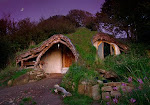
5. Plants as Shelter

6. Plants for Clothing

7. Seeds and Wild Plants, Valuable?

8. The Great Harvest

Thursday, August 21, 2008

What is Veganic?

Vegan + Organic = Veganic


I would consider myself Veganic as I am vegan and mostly eat organic :) But the term actually refers to vegan organic gardening. Yes, that's right! No yucky animal stuff like manure, bone meal, etc. Having an organic garden to me is not enough, it really needs to be vegan and let me tell you why.


The primary source of nutrients on most Certified Organic farms comes from factory farmed animal wastes. Manure, bone meal and other animal by-products are relied on heavily, even though crop rotations and green manures are alternative methods to ensure soil fertility.

Veganic describes an approach to agriculture that breaks the link between vegetable production and animal products.

Veganic agriculture is much less dependent than traditional organic farming on fossil fuels - seeds are transported to the field and the plant matter just stays there instead of being transported to a cow and then transported back again as manure after being processed by the animal's stomach.

Veganic farming does not help subsidize inhumane and environmentally damaging farming practices often found on large-scale livestock operations from which most animal-based fertilizers are purchased.

Certified Veganic seeks to demonstrate a more sustainable form of agriculture and provide a labeling system for organic farmers that are willing to completely sever the tight bond that exists between raising animals for food, and organically grown fruits and vegetables.


Soooo, GO VEGANIC!!!!!